For growing construction companies, infrastructure contractors, and real estate developers, there comes a stage when purchasing concrete from external suppliers may no longer be the most efficient long-term strategy. Increasing project volumes, tighter schedules, and greater quality control requirements often lead businesses to consider partnering with a concrete batching plant manufacturer.
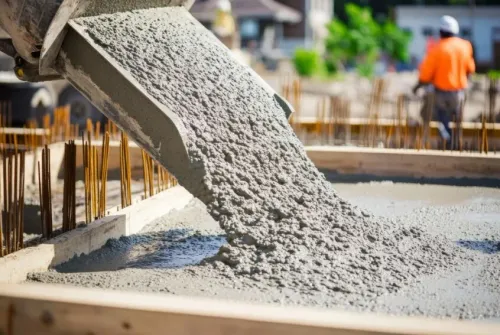
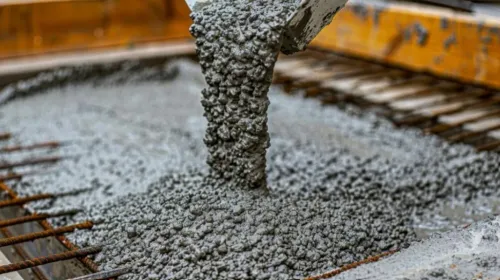
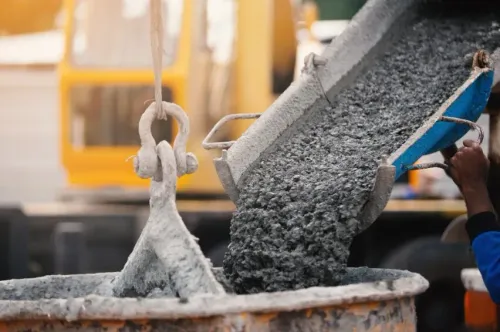
A concrete batching plant is designed to produce ready mix concrete by accurately combining cement, aggregates, water, and admixtures. Modern batching systems improve consistency, reduce manual errors, and support continuous production for projects requiring significant concrete volumes.
How do you know when it is time to explore this option? Several practical indicators suggest that investing in or planning for a batching plant could benefit your business.
Some common signs include:
- Multiple projects running simultaneously
- Frequent high-volume concrete requirements
- Increasing transportation costs
- Greater emphasis on quality control
- Expansion into infrastructure or industrial projects
- Long-term project pipeline requiring continuous concrete production
Owning or operating a batching plant allows greater control over production scheduling. Instead of depending entirely on external availability, contractors can align concrete production directly with construction timelines. This flexibility becomes especially valuable for projects involving continuous pours, large foundations, bridges, or industrial structures.
Quality consistency is another major advantage. Controlled batching systems accurately measure every ingredient, helping maintain uniform concrete strength throughout production. This consistency supports better structural performance while reducing the risk of variations between batches.
However, selecting the right batching plant manufacturer requires careful evaluation. Buyers should assess:
- Production capacity
- Plant automation features
- Equipment reliability
- Maintenance requirements
- Availability of technical support
- Spare parts accessibility
- Future scalability
These considerations influence both operational efficiency and long-term return on investment.
Environmental compliance has also become increasingly important. Modern batching plants often include dust control systems, water recycling capabilities, and efficient material handling processes that support more sustainable operations while meeting regulatory expectations.
Construction growth across Bengaluru and Karnataka continues to create demand for dependable concrete production. Large residential townships, industrial developments, transport infrastructure, and commercial projects increasingly require reliable batching capabilities to support ambitious construction schedules.
Although many contractors continue purchasing ready mix concrete from established suppliers, larger organisations sometimes evaluate batching plant solutions as part of long-term business expansion. Understanding production requirements and future workload helps determine whether this transition is financially and operationally appropriate.
Companies such as SCP INFRA demonstrate the role professionally operated batching systems play in supplying consistent ready mix concrete for residential, commercial, and infrastructure projects. Observing how experienced manufacturers manage production quality provides useful insight for businesses considering their own long-term concrete manufacturing capabilities.
Choosing a concrete batching plant manufacturer should never be based solely on equipment specifications. The right partner offers dependable engineering, technical support, reliable after-sales service, and solutions that align with future business growth. Careful planning today can create a stronger, more efficient concrete production operation for years to come.
Keywords