
Construction projects designed for heavy loads and long service life demand more than standard concrete mixes. Whether it is a commercial tower, an industrial facility, a bridge component, or a multi-level parking structure, the strength and consistency of the concrete directly influence structural performance. That is why many engineers and contractors specify M45 concrete for projects where higher compressive strength is essential.
An M45 concrete manufacturer produces a high-grade ready mix designed to achieve a characteristic compressive strength of 45 MPa after 28 days under standard curing conditions. This makes it suitable for demanding structural applications where durability, load-bearing capacity, and quality control are critical.
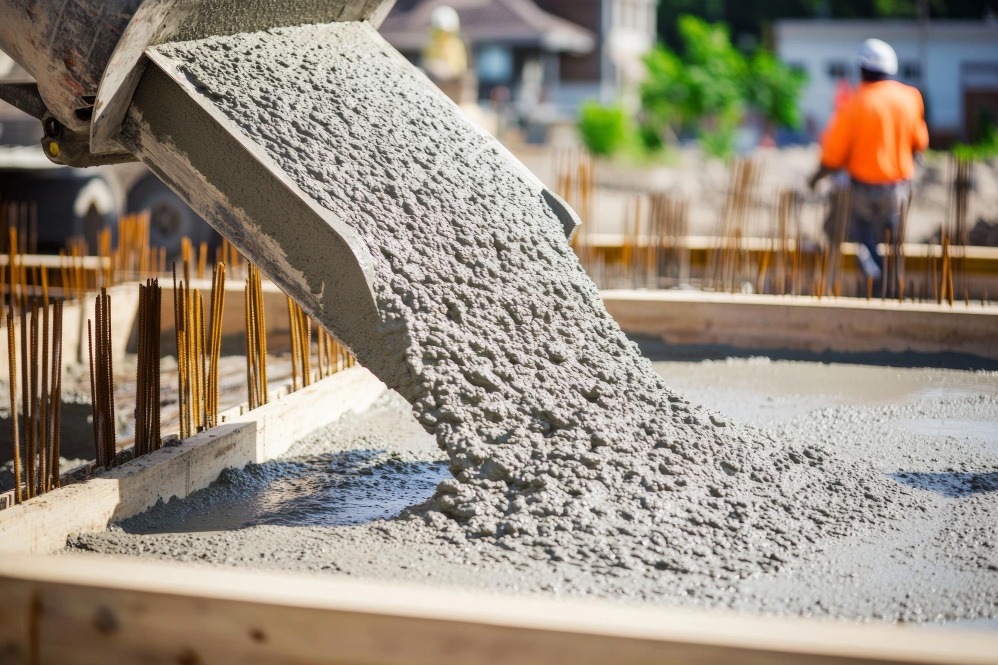
Unlike lower-grade concrete that may be prepared manually on-site, M45 concrete is generally produced in a controlled batching environment. Every ingredient, including cement, aggregates, water, mineral admixtures, and chemical admixtures, is measured accurately to maintain uniform quality. Consistency from one batch to another is especially important for large projects where structural integrity depends on predictable concrete performance.
Some of the most common applications of M45 concrete include:
- High-rise residential and commercial buildings
- Industrial plants and manufacturing facilities
- Elevated slabs and transfer beams
- Bridge decks and infrastructure projects
- Heavy-duty foundations
- Water-retaining structures
- Multi-storey parking buildings
Builders in Bengaluru often choose higher-grade ready mix concrete because urban construction presents several challenges. Congested project sites, limited storage space, changing weather conditions, and strict project timelines make controlled factory-produced concrete more practical than site mixing. Ready mix also minimizes material wastage and helps maintain consistent quality throughout the construction process.
Selecting the right M45 concrete manufacturer involves evaluating more than the advertised concrete grade. Buyers should verify whether the supplier operates a modern batching facility, follows established quality testing procedures, maintains calibrated equipment, and provides reliable logistics. Transit mixers should deliver concrete within recommended time limits so that workability and strength are not compromised before placement.
Quality assurance generally includes testing raw materials, monitoring water-cement ratios, checking slump values, and performing compressive strength tests on cube samples. These practices help ensure that the delivered concrete meets project specifications and engineering requirements.
Before placing an order, contractors should also discuss project-specific factors such as pumping requirements, pouring sequence, expected weather conditions, and curing recommendations. A collaborative approach between engineers and the concrete supplier often reduces construction delays and improves overall project efficiency.
As construction activity continues across Bengaluru and other parts of Karnataka, the demand for high-performance concrete has steadily increased. Residential developments, commercial complexes, industrial parks, and infrastructure upgrades all require dependable concrete that performs consistently under demanding conditions.
Companies such as SCP INFRA manufacture ready mix concrete using controlled production systems that support projects requiring higher concrete grades. Their experience with commercial, residential, and infrastructure applications demonstrates how professionally produced concrete contributes to better construction outcomes when quality standards are maintained throughout the supply process.
Choosing an experienced M45 concrete manufacturer is ultimately about reducing uncertainty. Consistent batching, timely delivery, verified quality control, and technical understanding allow engineers and builders to focus on construction while ensuring the concrete performs exactly as the structural design intends.